
How Do I Prepare My Roof for El Niño Rains?

Quick answer

To prepare your roof for El Niño rains, check your attic for stains and your roof for cracked and missing roofing materials, damaged flashing, and debris in the valleys since these are the spots that cause most storm leaks. Clear your gutters at the same time: a roof in perfect shape can still leak at the edge if water backs up under the roofline. Do this now, not after the rains arrive.

Getting your roof ready for El Niño comes down to three things:

  1. Look for signs of an existing leak.
  2. Check tiles, shingles, flashing, and valleys for weak spots.
  3. Make sure gutters and downspouts can carry rainwater away.


Do these things now, not after the rains are already here.

How Do I Know If My Roof Already Has a Leak I Don't Know About?

Most roof leaks don’t show up as a drip. They show up first as a stain. Walk your attic or top-floor ceilings with a flashlight and look for brown or yellow rings, sagging drywall, or a musty smell that wasn’t there before. A small ceiling stain today can be the first visible sign of a much larger moisture problem above it.

Why Is My Roof Leaking Now When It Never Has Before?

Heavy, sustained rain can expose roof problems that don’t show up during Southern California’s lighter, shorter rain events. A small gap, cracked tile, or lifted shingle may go unnoticed for months, then start letting water in when rain lasts for hours or arrives with strong winds. With NOAA forecasting a very strong El Niño this fall and winter, now is a good time to find those weak points rather than waiting for major storms.
Roof checkup using a drone
Conejo Services leverages a drone as one part of a four-step process to evaluate your roof

Need help with your roof? Give Conejo Services a call today at 805-499-0448 or schedule an appointment online now.

What Should I Check on Tile or Shingle Roofs Before El Niño Hits?

  • Tile roofs: Look for cracked, slipped, or missing tiles, especially after any recent wind. A single displaced tile exposes the underlayment beneath it.

  • Shingle roofs: Check for curling, cracking, or bald spots where granules have worn off. If the roof is approaching 20 years old or you don’t know when it was last replaced, it’s worth having it looked at before a heavy rain season.

  • Both: Check around any roof penetration, including vents, skylights, and chimneys, since these are common failure points regardless of roofing material.


If your roof is already 20 to 30 years old or has been showing repeated small problems, it may make more sense to talk through roof replacement options before the rain starts rather than patching the same spot again this season.
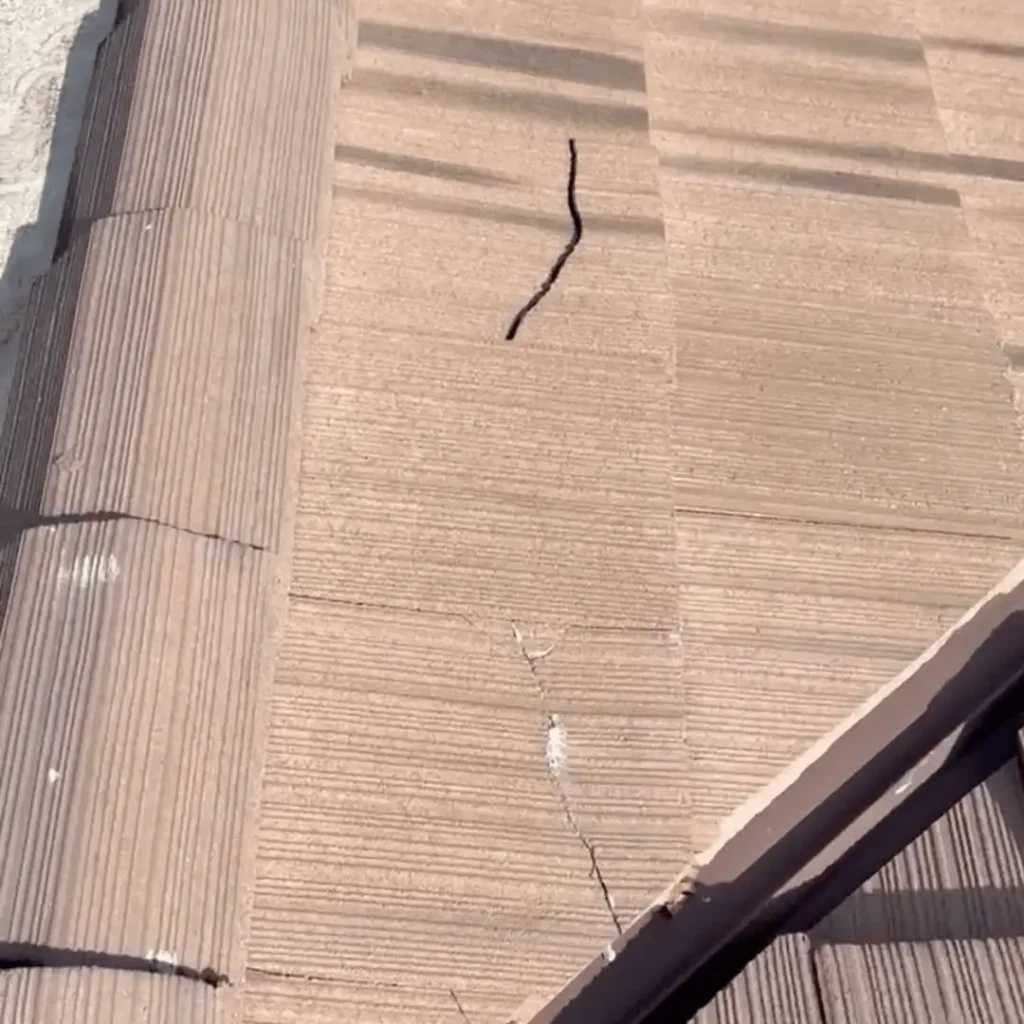
Look for cracked tiles to prepare your roof for El Niño
Cracked or broken tiles can expose the protective layers underneath, creating weak points where wind-driven rain can find its way into the roof system.
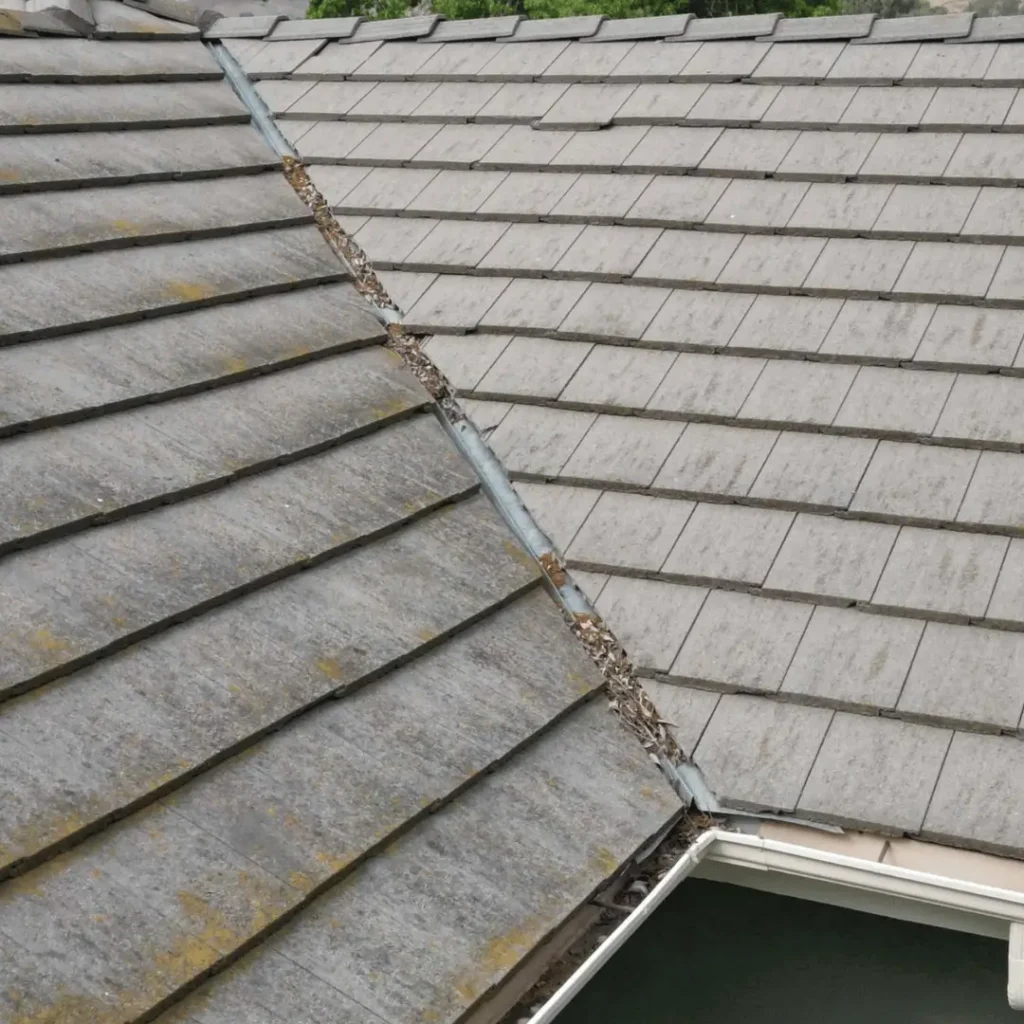
Tile roof valley full of debris
Leaves and debris can collect in roof valleys and block the path rainwater needs to drain, increasing the risk of water getting beneath the roofing.

Are Flashing and Roof Valleys Really That Important to Prepare My Roof for El Niño?

Yes. Pay special attention to flashing and valleys. They’re common trouble spots because that’s where roof surfaces meet, change direction, or carry concentrated runoff. Flashing is the metal that seals joints and edges around chimneys, skylights, and where two roof planes meet. Valleys are where two slopes drain into each other and carry the heaviest volume of water during a storm. If flashing has rusted, lifted, or pulled away from the surface it’s sealing, or a valley has debris sitting in it, that’s where water gets in first. FEMA’s guidance on preparing homes for storms specifically calls out reinforcing the roof and clearing gutters as two of the highest-value steps a homeowner can take before a storm season, not after.

Do I Need to Clean My Gutters before El Niño?

Yes. Even a roof that’s in good condition can have problems if clogged gutters and downspouts keep rainwater from draining away properly. Clear leaves and debris before the rainy season, make sure downspouts are flowing freely, and watch for sagging gutters or water spilling over the sides. Homes near oak, eucalyptus, or pine trees may need another cleaning during the season as those species of trees drop a lot of needles, leaves, and other debris throughout the year.

Safety alert: Don’t climb onto a wet roof or ladder to clear a clog once a storm has started.

When Should I Call a Professional Instead of Checking the Roof Myself?

Checking accessible areas of your attic with a flashlight can reveal signs of a leak without getting onto the roof. Going up on the roof itself generally isn’t safe, especially if your roof has a steep pitch or if it’s already wet. If you’ve spotted a stain, a cracked tile, or anything that looks off from the ground, that’s the point to call someone rather than climbing up to confirm it yourself. A trained eye can also catch problems that aren’t visible from the ground or the attic, like flashing that’s lifted just enough to let water in without any visible gap. Whoever you call, it’s worth checking their contractor license through the CSLB before they get on your roof. Conejo Services’ roofing team handles roof check-ups, repairs, and full replacements across tile, shingle, metal, and flat roofs.

Need Help With Your Roof?

Our experienced team is available for same-day and next-day roof checkups, and they’re FREE.

FAQs

How much rain does it take to expose a hidden roof leak?
There’s no set amount. Some leaks appear during the first hard rain, while others only show up after hours of sustained rainfall or wind-driven rain. Water can also travel along roof decking or framing before it reaches a ceiling, so the stain you see inside isn’t always directly below the point where water entered.
You can check plenty from the ground and the attic, such as missing or cracked tiles/shingles visible with binoculars and stains on ceilings. Getting up on the roof itself is a different matter and generally not something to do without the right footing, experience, and safety gear. It’s not safe to get on your roof once it’s already wet.
Conejo Services does not charge for basic roof checkups. Our free roof checkup includes a four-part assessment: an aerial insights report, a guided drone tour of your roof, a close-up ladder inspection of your roofing materials and gutters, and an attic check for roofing issues.
No. A strong El Niño increases the odds of certain weather patterns, but it doesn’t guarantee a wet winter in Southern California. What it does provide is a good reason to prepare before the rainy season, especially if your roof already has aging materials, previous leaks, or other known weak spots.
If you’ve already had a leak, water stain, or recurring roof problem, it’s better to have it evaluated while the weather is dry. A previous leak may not show up during every storm, and waiting for it to happen again can mean discovering the problem after water has already reached the attic, insulation, drywall, or framing. That could make the problem worse and lead to more costly repairs. The dry season is also the best time to take care of roof problems, before the first big storms arrive and roofing crews get booked up with emergency repairs.

Learn more about our roof repair services.

Get Help With Your Roof

Don’t wait for the first big storm to find out where your roof is vulnerable. Conejo Services offers a FREE roof checkup that includes an aerial insights report, guided drone tour, close-up inspection of roofing materials and gutters, and an attic check for signs of roofing problems. If everything looks good, you’ll know you’re ready for the rainy season. If we find something, you’ll know about it while there’s still time to prepare your roof for El Niño.

To get storm season updates, preparedness tips, and emergency planning guides for your area, you can also visit ready.lacounty.gov/rain or ready.venturacounty.gov